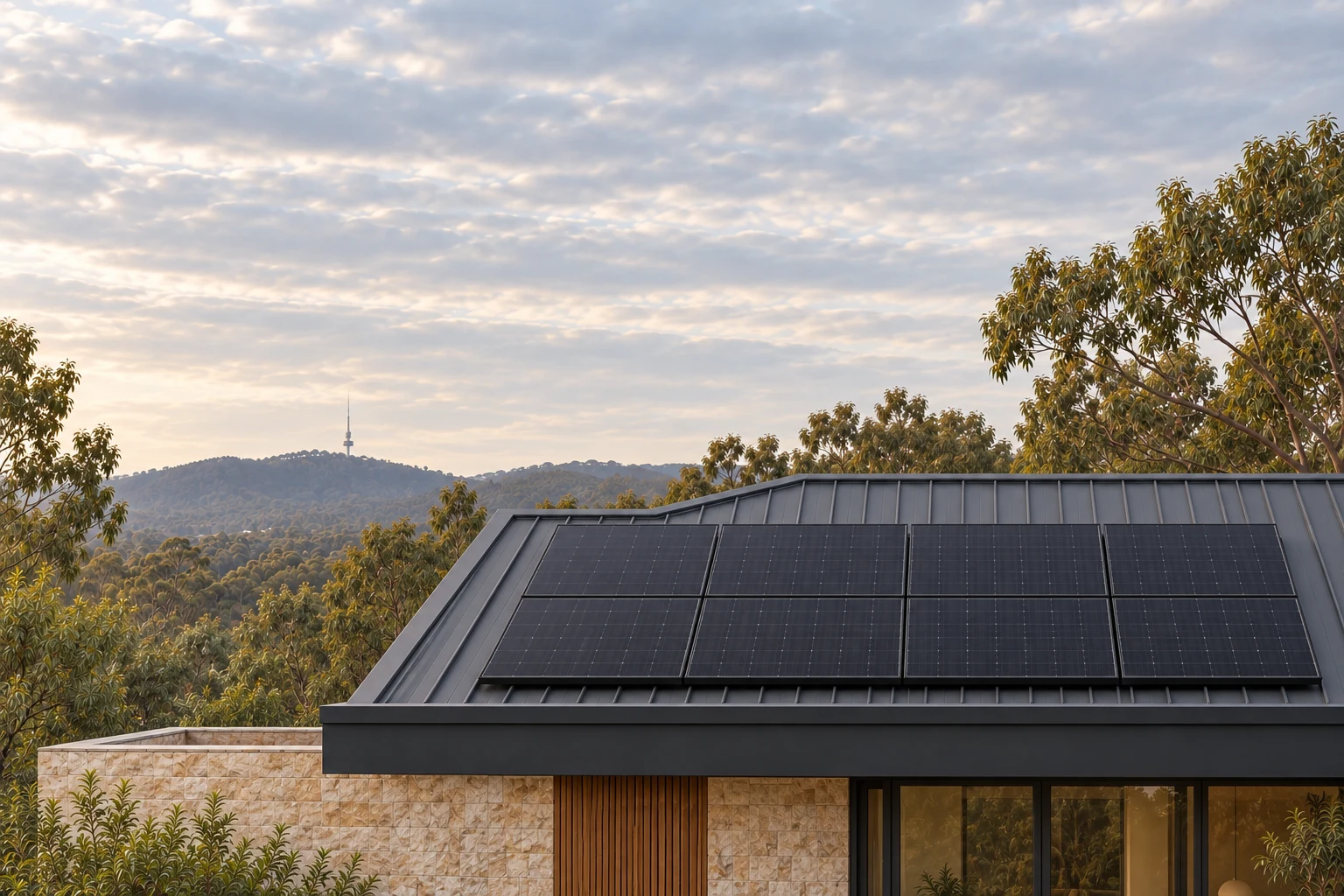

Solar
Solar installation in Canberra
Plan solar for your Canberra home with TLT Electrical and Air. Discuss your electricity use, property and installation scope directly with Tom.
Discuss solar for your homeStart with your home and how you use energy
Planning solar for your Canberra home? TLT Electrical and Air can help you work through your electricity use, the property and the installation scope, with clear advice on how solar fits your home and future plans.
01 Understand the property and your needs
Begin with the details that shape a suitable scope.
A useful first conversation covers how much electricity your household uses, when you tend to use it and what you want solar to do for the home. Recent bills can help describe your usage. If you are also considering future changes, such as a renovation or additional electrical equipment, include those plans too.
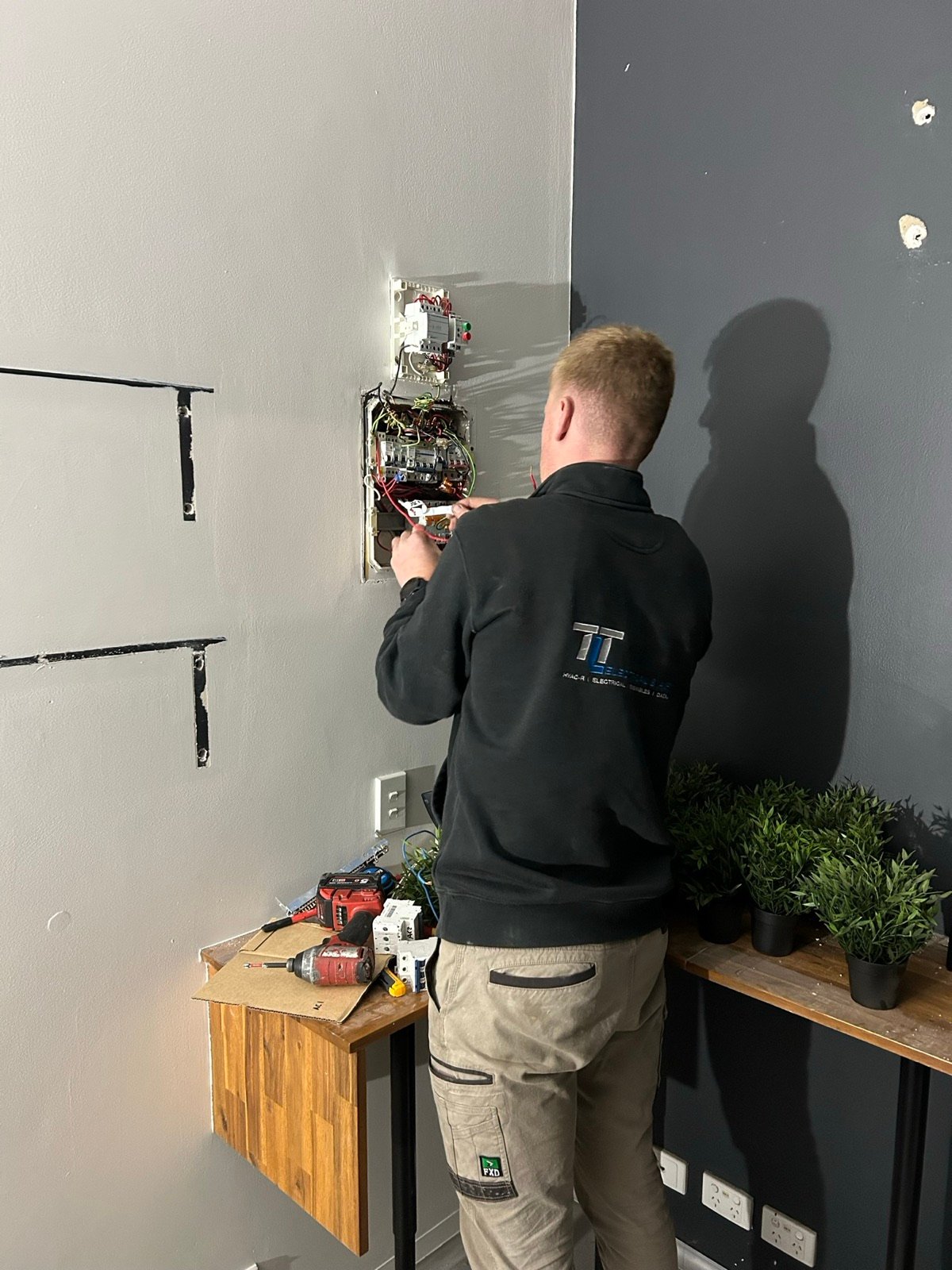
The property matters as well. Roof areas, orientation, shading, access and the existing electrical installation all need to be considered before a system can be proposed. Photos, a suburb, available plans and any information about the switchboard help us understand what further assessment is needed.
02 Agree the installation and handover
Know what is included and what happens next.
Once the property and your priorities are understood, the next step is to clarify the system options and installation scope. The appropriate design depends on the home and information available; we do not assume a particular system size or outcome before those details are reviewed.
Before work starts, you should have a clear understanding of the agreed scope and any site requirements. After installation, the handover should explain the equipment and the information you need for everyday operation. If you already have plans or equipment details, share them so they can be considered as part of the discussion.
Planning solar for your home
A few useful answers.
What should I send for an initial solar discussion?
Your suburb, recent electricity bills, roof photos if available, any plans and a note about what you want solar to support are useful. Include details of planned renovations or electrical equipment changes. We can review what you have and advise what else is needed to establish the scope.
Does the switchboard or roof affect the installation?
Yes. Roof space, orientation, shading, access and the existing electrical installation are among the details that need assessment. Photos and plans help with an initial review, though some properties need a site assessment before the work can be clearly scoped.
Can solar be considered alongside future home upgrades?
Yes. Let us know if you are planning other electrical work or considering connected home systems. Those plans can be discussed together so the proposed solar scope takes account of the property and the changes you expect to make.
How we operate
A clear plan. A better result.
Successful projects start with a clear scope. Our four pillars carry that clarity through design, delivery, documentation and handover.
01Design
Define the details. Get the foundations right.
A successful project starts with a clear, accurate scope of works. We establish what each system needs to do, how it connects and exactly what’s included. Getting this right early helps reduce rework, avoidable variations and miscommunication.
We invest the time upfront in detailed functional descriptions, coordinated system plans and carefully defined scopes. Product knowledge and hands-on experience help us spot potential issues early and recommend systems that work together and feel simple to use.
Specialist design and quoting software helps us turn that planning into clear designs and timely, detailed proposals, so you can see what’s included from the outset.
02Deliver
The right people. A coordinated approach.
Consistent delivery starts with capable people and well-organised work. We work with qualified, experienced tradespeople, supported by the right accreditations for the work and carefully developed business systems. This keeps delivery responsive, efficient and accurate.
Project correspondence, decisions and agreed changes are recorded in one place. Everyone works from the same current information, with clear responsibilities and a shared understanding of the scope.
03Document
Know what’s installed. Know where it is.
Good documentation makes your property easier to maintain, alter and upgrade. We record the installation and how its systems operate, giving you useful information to share with your chosen contractor.
On residential projects, LiDAR scans capture visible cable routes, connections and conduits before they’re concealed, supported by records of the completed installation. This helps future trades understand what’s there, reducing guesswork and unnecessary exploratory work.
The records stay with your property, giving you continuity and the freedom to choose who looks after it.
04Demonstrate
Understand your systems. Know who to call.
A proper handover puts you in control. We walk you through how your systems work, demonstrate the everyday controls and explain where to find the information you’ll need.
Support continues after handover, with clear points of contact for questions, faults and ongoing maintenance. You’ll know how to use your systems, who to contact and how to keep them working well for years to come.
Tell us about your home and solar plans.
Tell us what you’re planning and what you need your systems to do.